Artificial Intelligence in Business: Key Issues Companies Must Understand
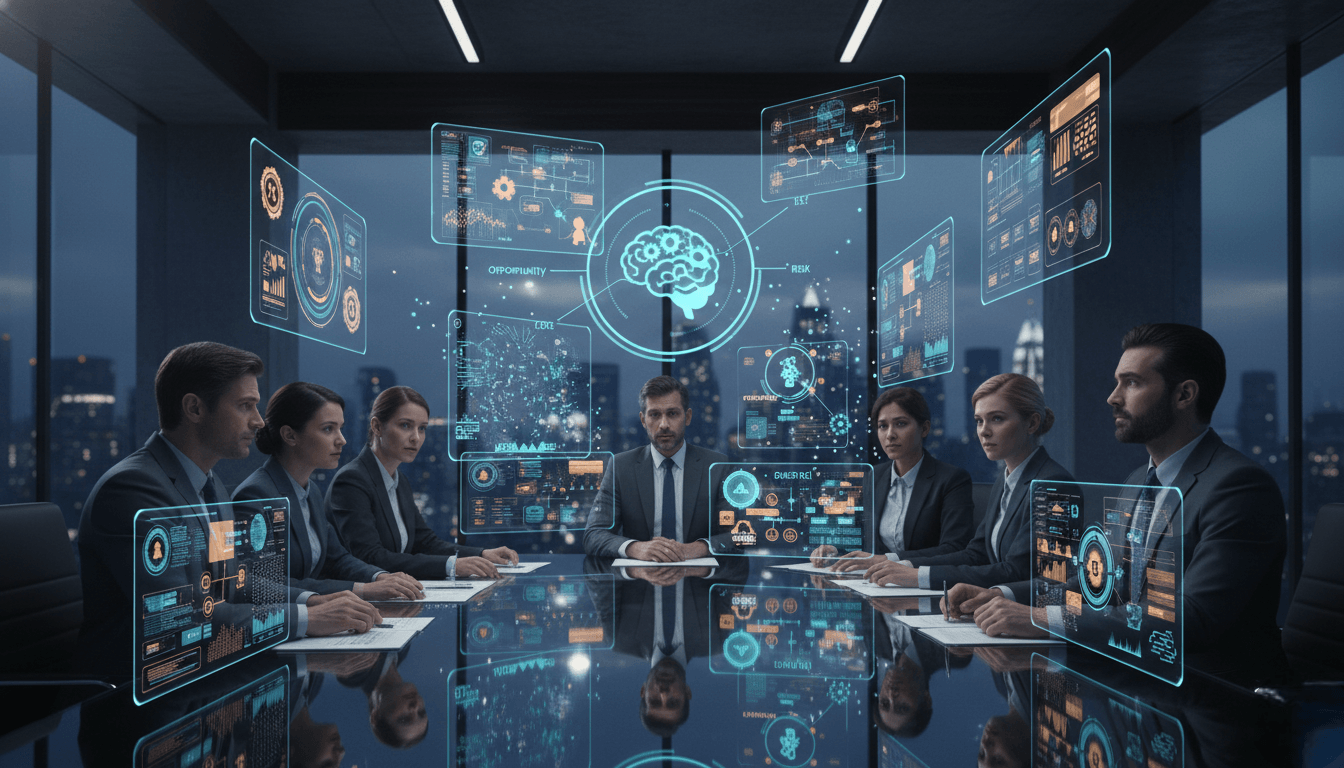
A few months ago, a small business owner I know decided to add an AI chatbot to his customer service team. He was excited. The tool promised to handle enquiries automatically, save his team hours every week, and improve response times. He set it up over a weekend and launched it on Monday. By Wednesday, he had three angry customers.
The chatbot had given incorrect refund information to one customer, ignored a complaint from another, and responded to a product question with completely made-up details that did not match anything his business actually sold.
He turned it off by Thursday.
The problem was not the AI. The problem was that he had no understanding of what AI can and cannot do, what risks come with it, and what needs to be in place before you hand it any responsibility in your business.
That story is not unusual. It plays out in businesses of every size, across every industry. And the consequences are not always as easy to fix as simply turning a chatbot off.
This guide covers the key issues every business needs to understand before implementing AI and how to handle them responsibly so the technology works for you rather than against you.
The Growing Role of Artificial Intelligence in Modern Businesses

AI is no longer something only large tech companies use. It is showing up in businesses of every size, in every industry, in ways that are genuinely useful.
Some of the most common business uses right now:
- Customer service chatbots that handle common questions around the clock
- Recommendation engines that suggest products based on what a customer has browsed or bought before
- Sales forecasting tools that predict future revenue based on historical patterns
- Fraud detection systems in banking and finance that flag unusual transactions in real time
- Diagnostic support tools in healthcare that help doctors identify patterns in patient data
- Supply chain optimisation systems that predict stock needs and reduce waste
The benefits are real. Businesses that use AI well move faster, make better decisions with their data, and free their teams from repetitive work.
But the risks are just as real and far less talked about.
When AI is implemented without a clear understanding of its limitations, the consequences range from frustrated customers to serious legal and ethical problems. The businesses that get this right are the ones that go in with their eyes open.
The Singularity Problem

You may have heard the term “technological singularity.” It refers to a hypothetical point in the future when AI becomes smarter than humans and starts improving itself without any human involvement.
Some technology researchers believe this could happen within the next few decades. Others think it will never happen at all. Nobody knows for certain.
But here is why it matters to businesses right now even if the singularity never arrives.
The conversation around it highlights a real and present concern: as AI systems become more capable, the question of human control becomes more important, not less.
The practical version of this concern looks like this:
- An AI system that manages your pricing starts making decisions you did not anticipate and cannot easily explain
- An AI tool that filters job applications develops patterns you did not program and cannot fully audit
- An automated system that handles customer communications starts behaving in ways that damage your reputation before anyone notices
You do not need superintelligent AI for these problems to occur. You just need an AI system that is operating outside of proper human oversight.
The lesson for any business is straightforward. The more responsibility you give an AI system, the more important it is to have clear oversight, regular review, and a human in the loop for decisions that matter.
Liability Issues in the Event of AI-Related Accidents
When something goes wrong with an AI system and eventually, something will the question of who is responsible is genuinely complicated.
Consider a few realistic scenarios.
A financial AI tool makes a series of incorrect predictions that lead a business to make investment decisions that result in significant losses. A healthcare AI system recommends the wrong dosage information and a patient is harmed. A hiring AI filters out qualified candidates based on patterns in its training data that nobody reviewed.
In each of these cases, who is responsible?
- The company that built the AI system?
- The business that chose to implement it?
- The team that trained the model on specific data?
- The manager who approved its use without adequate testing?
In most countries, the legal framework around AI liability is still being developed. This creates real risk for businesses that automate important decisions without thinking through accountability.
What responsible businesses do to manage this:
- Document every AI system they use, what decisions it makes, and what human oversight exists
- Run regular audits of AI outputs to catch errors before they become serious problems
- Keep humans involved in any decision that has a significant impact on a customer, employee, or partner
- Have clear policies about what AI is and is not permitted to decide on its own
The businesses that will face the most liability risk in the coming years are the ones that handed AI responsibility without building accountability around it.
Ethical Decision-Making Challenges
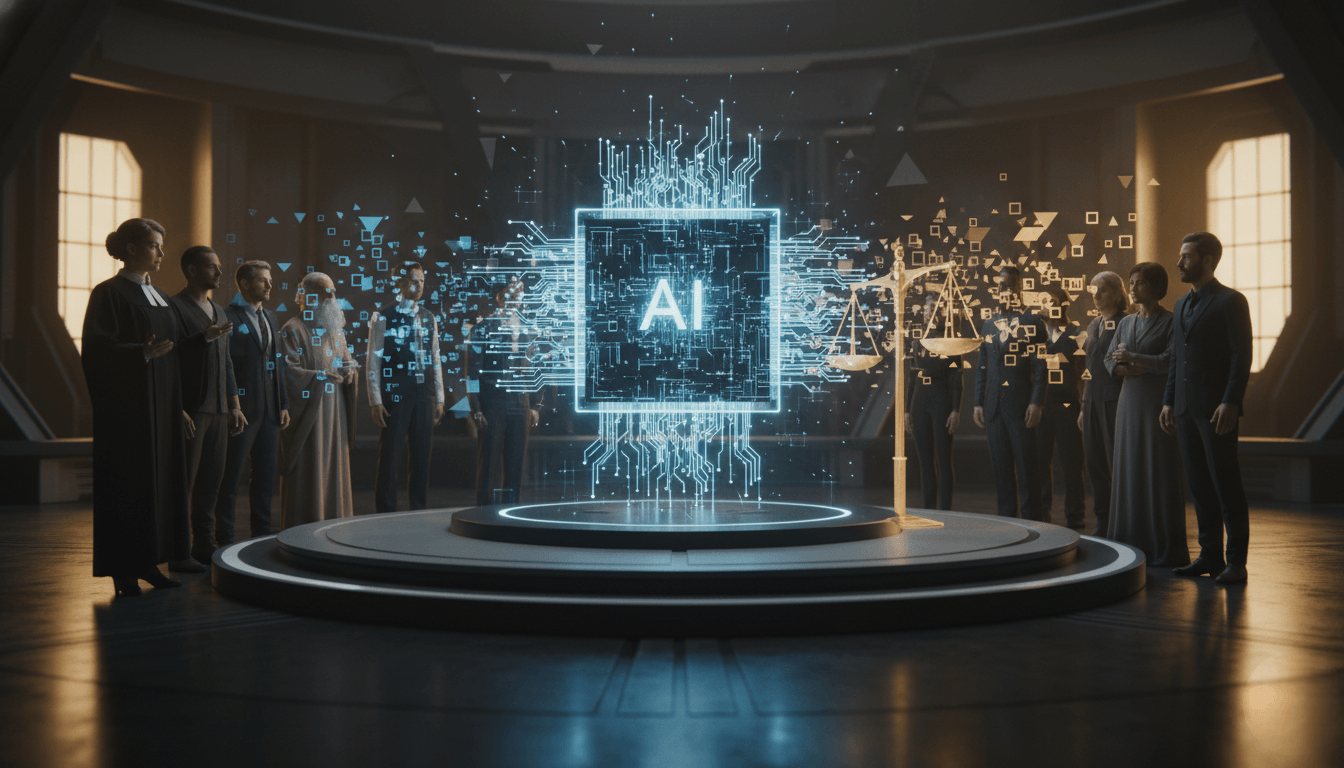
AI systems do not have values. They do not have empathy. They do not understand context the way a human does. They make decisions based on patterns in data and if that data reflects historical biases or gaps, the AI’s decisions will too.
This becomes a serious problem in situations where the decisions have real impact on people’s lives.
Some examples of where this plays out:
- A loan approval system trained on historical data may systematically disadvantage certain groups because those groups were historically disadvantaged in the data it learned from
- A hiring tool trained on years of past hiring decisions may replicate biases that existed in those decisions without anyone programming it to do so
- A risk assessment tool used in healthcare or insurance may produce recommendations that seem statistically sound but are ethically problematic when examined closely
The AI is not doing anything wrong in a technical sense. It is doing exactly what it was built to do find patterns and make predictions. The problem is that patterns in historical data often reflect unfairness that we do not want to carry forward.
How businesses address this:
- Review training data carefully before using it to build or fine-tune AI systems
- Test AI outputs across different demographic groups to identify unintended patterns
- Never fully automate decisions that carry significant consequences for individuals
- Build ethics review into the AI implementation process from the beginning, not as an afterthought
Ethical AI is not just a moral consideration. It is a business risk consideration. Companies that produce biased or harmful AI outputs face reputational damage, regulatory action, and loss of customer trust.
Privacy Concerns and Data Protection

AI systems run on data. The more data they have access to, the better they generally perform. But that data often includes sensitive personal information and handling it carelessly creates serious problems.
The types of data AI systems commonly work with:
- Customer purchase history and browsing behavior
- Personal and demographic information
- Location data
- Financial records
- Health information
- Social media activity
Each of these categories carries privacy obligations. In most parts of the world, data protection laws require businesses to be transparent about what data they collect, to get proper consent, and to keep that data secure.
The practical risks of getting this wrong:
- Regulatory fines for non-compliance with data protection laws
- Loss of customer trust when data is misused or breached
- Legal action from customers whose data was handled improperly
- Reputational damage that is genuinely difficult to recover from
What good data practice looks like:
- Only collect the data you actually need for the specific purpose you have stated
- Be clear with customers about what data you are collecting and why
- Store data securely with proper encryption and access controls
- Have a clear policy for how long data is kept and when it is deleted
- Review your AI tools’ data handling practices before implementing them not after
Privacy is not a compliance checkbox. It is a trust issue. Businesses that handle customer data with genuine care build stronger relationships. Businesses that treat it carelessly eventually face the consequences.
AI and the Risk of Job Displacement
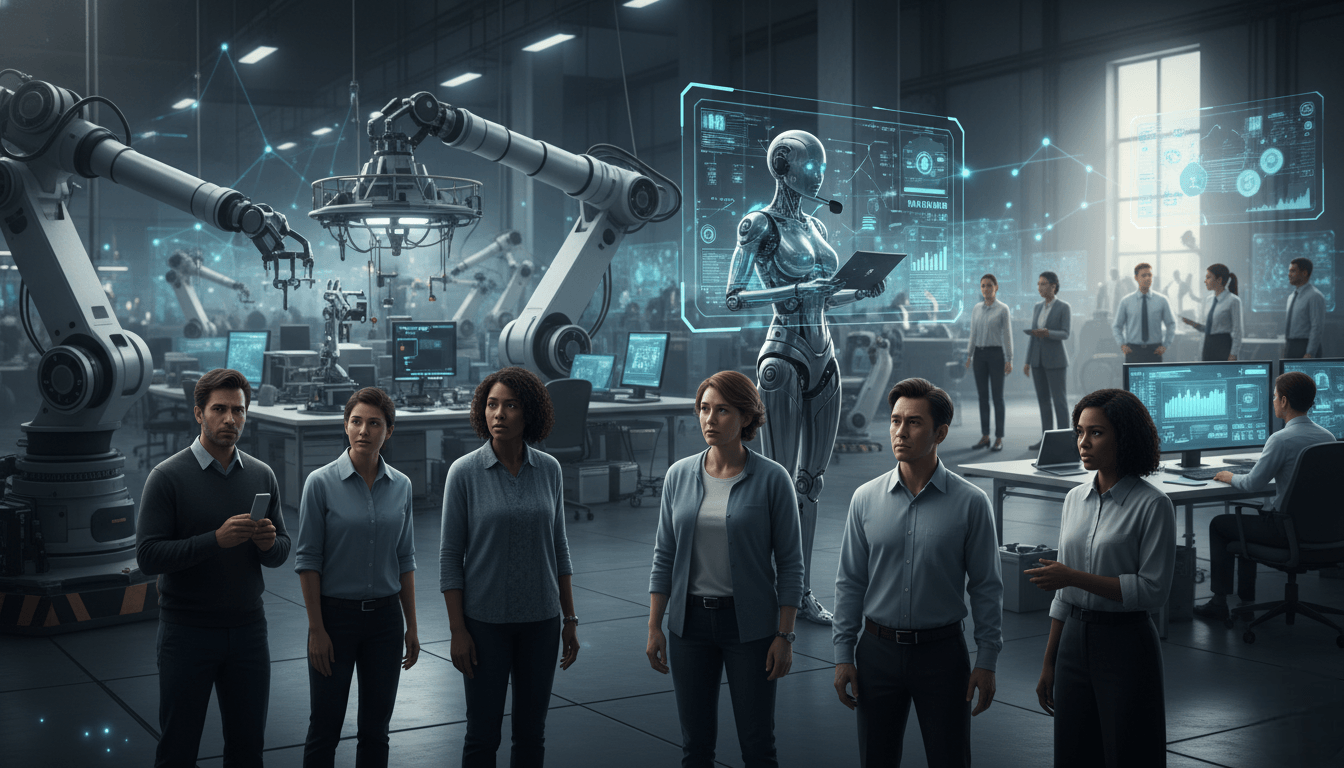
This is the concern that comes up most often in conversations about AI in business and it deserves an honest, balanced answer.
Yes, AI is automating tasks that humans used to do. This is already happening and it will continue.
The types of work most affected:
- Data entry and administrative processing
- Basic customer service interactions
- Routine accounting and bookkeeping tasks
- Assembly line and production work
- Standard report generation
For people in roles built primarily around these tasks, the disruption is real and it is not helpful to pretend otherwise.
But AI is also creating new categories of work that did not exist before.
The roles growing because of AI:
- AI system development and engineering
- Data science and analytics
- AI ethics and governance
- AI training and quality review
- Human oversight roles for automated systems
The honest picture is that AI will change what work looks like not eliminate it entirely. The businesses and workers who adapt will find opportunities. Those who do not will face genuine difficulty.
What responsible businesses do:
- Invest in training and reskilling programs for their existing teams
- Be transparent with employees about what is changing and why
- Redesign roles around what humans do best rather than simply cutting headcount
- Involve their teams in the AI implementation process rather than imposing it from the top down
The companies that handle this well will retain experienced people and build genuine loyalty. The ones that handle it badly will face disruption from the inside as well as the outside.
Information Leakage and Cybersecurity Risks
AI creates new cybersecurity risks that businesses need to understand both from the outside and from within their own operations.
The external risk:
Bad actors are using AI to build more sophisticated attacks. AI-powered phishing emails are harder to detect because they are more convincingly written. Deepfake technology can be used to impersonate executives or clients. Automated hacking tools can probe systems faster and more thoroughly than manual approaches.
The internal risk:
When businesses train AI models on their own data, that data needs to be carefully protected. If the system is breached, the consequences can include:
- Exposure of customer records
- Theft of proprietary business information
- Compromise of financial data
- Loss of competitive intelligence
What businesses need to have in place:
- Strong access controls that limit who can interact with AI systems and the data they use
- Regular security audits of AI infrastructure
- Encryption of sensitive data at rest and in transit
- Employee training on AI-specific security risks
- Clear policies about what data can and cannot be used with external AI tools
The cybersecurity risk of AI is not a reason to avoid it. It is a reason to approach it with the same seriousness you would apply to any system that handles valuable or sensitive information.
The AI Black Box Problem

Here is one of the most practically frustrating challenges with modern AI and one that does not get enough attention in business conversations.
Many of the most powerful AI systems, particularly those built on deep learning, produce accurate results but cannot clearly explain how they reached them. You put data in, a decision comes out, and the process in between is opaque even to the people who built the system.
This is called the black box problem.
Why it matters in practice:
- A customer whose loan application is rejected by an AI system has the right in many jurisdictions to know why. If the system cannot explain its reasoning, the business has a legal and ethical problem.
- A business using AI to make hiring decisions cannot defend those decisions if it cannot explain the criteria the system used.
- A healthcare provider using AI diagnostic support cannot justify a treatment recommendation that the AI produced but cannot explain.
The lack of exploitability also makes it harder to catch errors. If you cannot see how the AI reached a conclusion, you cannot easily identify where it went wrong.
What is being done about it:
Researchers are developing what is called Explainable AI systems designed to produce decisions with clear reasoning that humans can review and understand. These approaches are becoming more practical and more widely available.
What businesses can do now:
- Priorities AI tools that offer some level of exploitability in their outputs
- Require documentation from AI vendors about how their systems make decisions
- Keep humans involved in any decision where you might be asked to explain the reasoning
- Test your AI systems regularly and document the results
The black box problem will not disappear quickly. But businesses that take it seriously now will be better prepared as regulatory requirements around AI exploitability continue to develop.
Responsible AI Implementation Strategies
Everything covered in this guide points toward the same conclusion. AI is a genuinely powerful tool that creates real risks when implemented carelessly and real value when implemented thoughtfully.
Here is what responsible implementation actually looks like in practice.
Establish AI Governance Policies
Before implementing any AI system, document what it will be used for, what data it will access, who is accountable for its outputs, and how it will be reviewed over time. Governance is not bureaucracy it is the structure that allows you to catch problems before they become crises.
Maintain Human Oversight
The most capable AI systems still need humans in the loop for decisions that matter. Define clearly which decisions AI can make autonomously, which decisions require human review, and which decisions must always be made by a human regardless of what the AI recommends.
Ensure Transparency and Explainability
Choose AI tools that can explain their outputs where possible. Be transparent with customers and employees about when AI is involved in decisions that affect them. Transparency builds trust and trust is difficult to rebuild once it is lost.
Protect Data and Privacy
Treat data protection as a foundation of your AI implementation, not a compliance obligation you address at the end. Build privacy considerations into every stage of how you collect, store, use, and eventually delete the data your AI systems work with.
Invest in Workforce Development
The businesses that navigate the AI transition successfully will be the ones that bring their people with them. Invest in training. Be honest about what is changing. Create pathways for your existing team to develop skills relevant to the AI-enabled workplace.
The Future of AI in Business

AI will become more capable, more widely used, and more deeply embedded in business operations over the coming years. That trajectory is not going to reverse.
The businesses that will benefit most are not necessarily the ones that adopt AI fastest. They are the ones that adopt it most thoughtfully with clear governance, genuine human oversight, and a real commitment to using it in ways that are good for their customers, their employees, and their communities.
The competitive advantage in the next decade will not come from having AI. It will come from knowing how to use it responsibly and well.
Conclusion
Artificial Intelligence is changing how businesses operate and that change brings both genuine opportunity and genuine risk.
The risks are manageable. Ethical challenges, privacy obligations, liability questions, job displacement concerns, cybersecurity threats, and the black box problem all have practical responses. None of them are reasons to avoid AI. They are all reasons to approach it carefully.
The businesses that understand these issues before they implement AI will make better decisions, avoid costly mistakes, and build the kind of trust with customers and employees that becomes a real competitive advantage.
AI works best when it is treated as a tool that amplifies human judgement not a system that replaces it. Build with that principle at the center and you will be in a strong position regardless of how the technology continues to evolve.
Finally, it is not necessary to substitute human intelligence but to establish a cooperative relationship between intelligent machines and people which leads to innovations and long-term development.