Start a Small Online Business from Scratch: Complete Beginner’s Guide
Introduction
Starting a business used to require significant capital, a physical location, and years of planning. Today, learning how to start a small online business from scratch has opened doors for anyone with internet access, determination, and a solid idea. Whether you’re a student, a freelancer, or someone looking to escape the traditional 9–5 routine, online businesses offer flexibility, scalability, and low startup costs.
With years of experience studying digital entrepreneurship, market trends, and helping beginners structure their first online ventures, I’ve seen firsthand what works and what fails. This guide is designed to give you practical, proven steps based on real-world application, not just theory.
If you’re serious about building something sustainable online, this article will walk you through everything you need to know from idea validation to launching and scaling.

What Does It Mean to Start a Small Online Business?
When we talk about how to start a small online business from scratch, we mean building a business that operates primarily on the internet without relying on a physical storefront. This could include:
- E-commerce stores
- Freelance services
- Digital products (ebooks, courses)
- Affiliate marketing websites
- Dropshipping businesses
- SaaS (Software as a Service)
- Local marketing freelancers
The key advantage? You can start with minimal investment and scale globally.

Step 1: Choose the Right Business Idea
The foundation of any successful online business is a strong idea. But here’s the truth: passion alone isn’t enough you need demand.
How to Find a Profitable Idea
Ask yourself:
- Does this solve a real problem?
- Are people already paying for similar solutions?
- Can I deliver value better or differently?
Real-Life Example
A beginner I worked with started selling customized planners online. Instead of targeting “everyone,” she focused on students preparing for exams. By solving a specific problem time management her business gained traction quickly.
Tools You Can Use
- Google Trends
- Keyword research tools
- Online marketplaces (Amazon, Etsy)
Step 2: Validate Your Idea Before Investing
One of the biggest mistakes beginners make is building first and validating later.
Simple Validation Methods
- Create a landing page and collect emails
- Run small ads to test interest
- Post in forums or social media groups
- Pre-sell your product or service
If people show interest or are willing to pay, you’re on the right track.
Step 3: Choose a Business Model
Understanding your business model is crucial when learning how to start a small online business from scratch.
Popular Online Business Models
- E-commerce Selling physical products
- Dropshipping No inventory required
- Freelancing Selling skills (writing, design, coding)
- Affiliate Marketing Promoting products for commission
- Digital Products Courses, templates, ebooks
Tip
Start simple. Many successful entrepreneurs begin with one model and expand later.
Step 4: Build Your Brand and Online Presence
Your brand is more than just a logo it’s how people perceive your business.
Key Elements
- Business name
- Logo and color scheme
- Tone of voice
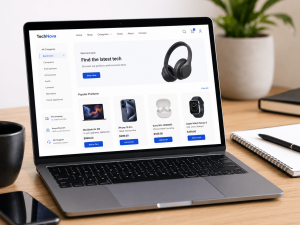
- Website or platform
Website Essentials
- Clear homepage
- About page (builds trust)
- Product/service pages
- Contact information
A clean, professional website increases credibility and conversions.
Step 5: Set Up Your Website or Platform
Depending on your business type, you’ll need a platform.
Options
- E-commerce → Shopify, WooCommerce
- Freelancing → Fiverr, Upwork (initially)
- Blogging/Affiliate → WordPress
- Digital Products → Gumroad, Teachable
Beginner Tip
Don’t overcomplicate things. Focus on functionality over perfection.
Step 6: Create Valuable Content
Content is the backbone of online visibility. It helps you attract, educate, and convert your audience.
Types of Content
- Blog posts
- Videos
- Social media posts
- Email newsletters
Why It Matters
Search engines prioritize helpful, relevant content. This aligns with Google’s E-E-A-T principles showing expertise and trustworthiness.
Step 7: Learn Basic Marketing
Even the best product won’t sell without marketing.
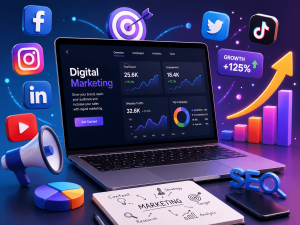
Core Marketing Channels
- Search Engine Optimization (SEO)
- Social Media Marketing
- Email Marketing
- Paid Advertising
Practical Tip
Start with one channel. For example:
- If you enjoy writing → focus on SEO
- If you’re visual → try Instagram or TikTok According to Google’s official SEO Starter Guide, creating helpful, user-focused content is one of the most important ranking factors for long-term success.
Step 8: Understand Your Audience
Knowing your audience is critical when figuring out how to start a small online business from scratch.
Ask These Questions
- Who are they?
- What problems do they face?
- What solutions are they already using?
Example
If you’re selling fitness plans, your audience might be
- Busy professionals
- Beginners looking for home workouts
Tailor your messaging accordingly.
Step 9: Manage Finances and Pricing
Even a small online business needs proper financial planning.
Key Considerations
- Startup costs
- Pricing strategy
- Profit margins
- Payment methods
Tip
Use simple tools like spreadsheets or accounting apps to track income and expenses.
Step 10: Focus on Customer Experience
Customer trust is essential for long-term success.
How to Build Trust
- Provide clear information
- Offer reliable support
- Deliver on promises
- Collect and showcase reviews
This directly supports Google’s trustworthiness principle.
Common Challenges (and How to Overcome Them)
1. Lack of Traffic
Solution: Focus on SEO and content marketing consistently.
2. No Sales Initially
Solution: Improve your offer and messaging. Sometimes it’s not the product it’s how you present it.
3. Overwhelm
Solution: Break tasks into small steps. Avoid trying to do everything at once.
4. Fear of Failure
Solution: Treat your first business as a learning experience, not a final destination.
Real-World Insight: What Actually Works
From experience, the most successful beginners share these traits:
- They take action quickly
- They test ideas instead of overthinking
- They focus on solving problems
- They stay consistent
One freelancer I guided started with zero clients. By consistently posting helpful content and offering value, she secured her first client within 30 days and now runs a full-time online business.

How to Scale Your Online Business
Once you start getting results, the next step is growth.
Scaling Strategies
- Automate repetitive tasks
- Outsource work
- Expand product/service offerings
- Invest in paid marketing
Important
Don’t scale too early. Make sure your foundation is solid first.
Frequently Asked Questions
Do I need money to start?
You can start with very little, especially in freelancing or affiliate marketing. However, a small budget helps with tools and marketing.
How long does it take to succeed?
It depends on effort, strategy, and consistency. Most people see results within 3–6 months if they stay committed.
Can I do this part-time?
Yes. Many successful online businesses start as side hustles.
Is it saturated?
No. Markets evolve constantly. There’s always room for unique value and better solutions.
Conclusion
Learning how to start a small online business from scratch is one of the most valuable skills in today’s digital world. It gives you control over your income, flexibility in your lifestyle, and the opportunity to build something meaningful.
To recap:
- Start with a validated idea
- Choose a simple business model
- Build your online presence
- Focus on value and consistency
- Learn and adapt as you grow
The most important step? Start now. You don’t need perfection you need action.
If you want to go deeper, continue learning, testing, and refining your strategy. Every successful online entrepreneur once started exactly where you are today.