Podcast AI For Studying Free
I remember sitting in a university library at 2:00 AM, staring at a 40 page PDF on macroeconomics until the words started blurring into grey lines. My eyes were burning, my neck was stiff, and I realized I had read the same paragraph six times without absorbing a single syllable. I was physically present, but my brain had checked out hours ago.
The lesson I learned that night and one that has shaped my five years in the tech industry is that information consumption is a biology problem, not a willpower problem. We aren’t built to stare at backlit screens for twelve hours a day. Our brains evolved to learn through conversation, storytelling, and auditory patterns. When I finally started converting my dry notes into audio files that I could listen to while walking or commuting, my retention skyrocketed. I wasn’t just “studying” anymore; I was engaging.
If you’re tired of the “textbook burnout,” it’s time to build a cognitive bridge between your raw notes and your ears. Here is the blueprint to turn your study materials into a high end audio experience without spending a dime.
1: The Death of the “Passive Read” Why Your Brain is Rejecting Your Notes

The real kicker is that most students treat studying like a marathon of the eyes. You assume that if you stare at the text long enough, it will eventually “soak in.” In reality, you are likely suffering from Cognitive Friction. The Mechanics of Sensory Overload Why does your brain shut down after 45 minutes of reading? It’s because visual processing is one of the most energy intensive tasks your brain performs. When you add the complexity of high level academic concepts, your “mental RAM” fills up instantly.
-
The “Glaze Over” Red Flag: This happens when your eyes move across the page but your internal monologue is thinking about what you’re having for dinner.
-
The Auditory Solution: By switching to a free podcast AI, you shift the processing load to the auditory cortex. This allows you to leverage “Dual Coding,” where you hear the information in a conversational tone, making it stick 40% more effectively than silent reading alone.
Choosing to listen over reading isn’t “the easy way out.” It is a strategic deployment of your biological resources. If you are in New York or London and spending an hour a day on a train, that is an hour of “dead time” that could be converted into a high authority study session.
2: The Google Factor Inside the “NotebookLM” Revolution

If you’ve been looking for the best free podcast AI, the search ends with a tool most people are using incorrectly: Google’s NotebookLM.
What most people miss is that this isn’t just a “text to speech” reader. It doesn’t just drone through your notes in a robotic monotone. It uses a specific AI podcast generator free Google feature called “Audio Overview.”
The Hidden Mechanics of the “Deep Dive”
When you upload your notes to NotebookLM, it doesn’t just read the words; it synthesizes the concepts. It creates a virtual studio with two AI hosts usually a male and a female voice who have a spontaneous-sounding conversation about your material.
-
The “Woe” of Standard TTS: Standard tools read your typos and bullet points literally.
-
The NotebookLM Edge: It understands context. If your notes mention a complex theory, the AI hosts will say things like, “Wait, so let me get this straight… if the supply curve shifts, then X happens?” and the other host will explain it back.
How to Trigger the High-End Output
-
Source Loading: Upload your PDFs, Google Docs, or copied text into a “Notebook.”
-
Contextual Grounding: The AI only uses the sources you provide. This solves the problem of “Hallucinations” it won’t start talking about things that aren’t in your notes.
-
The Generation: Click “Deep Dive Audio Overview.” Within minutes, you have a 10-15 minute study podcast AI episode that sounds like a professional broadcast.
The real “Real Talk” here? This tool is currently free, but the compute power required to generate these conversations is massive. In my experience, these “golden eras” of free, unlimited high-end AI tools don’t last forever. Using this text to podcast AI free method now is like getting a $500/month research assistant for zero cost.
3: The Workflow How to Architect Your Audio Assets

I’ve seen students fail with this tech because they try to upload a 500-page unedited textbook. That is a recipe for a shallow, confusing podcast. To get a high-authority result, you have to curate your input.
Step-by-Step: The “Notes to Podcast AI Free” Pipeline
-
The Purge: Remove the fluff. Delete the table of contents, the index, and the “About the Author” sections from your PDFs.
-
The Formatting Fix: AI works best with clean hierarchies. Ensure your main concepts have clear headers.
-
The “Easter Egg” Technique: If there is a specific quote or formula you must memorize, put it in bold or repeat it twice in your notes. The AI hosts are more likely to pick up on it as a “key takeaway.”
Choosing to spend 10 minutes cleaning your data will save you 20 minutes of listening to a disorganized podcast. It’s the difference between a professional briefing and a rambling chat.
Moving from the “why” to the mechanics of your audio toolkit requires a cold, hard look at the landscape. While Google’s current offering is the heavyweight champion for conversational synthesis, it isn’t the only player on the field. Depending on whether you need a literal reading of your text or a creative reimagining, your choice of engine will change.
4: Tool Comparison The 2026 Free Tier Landscape
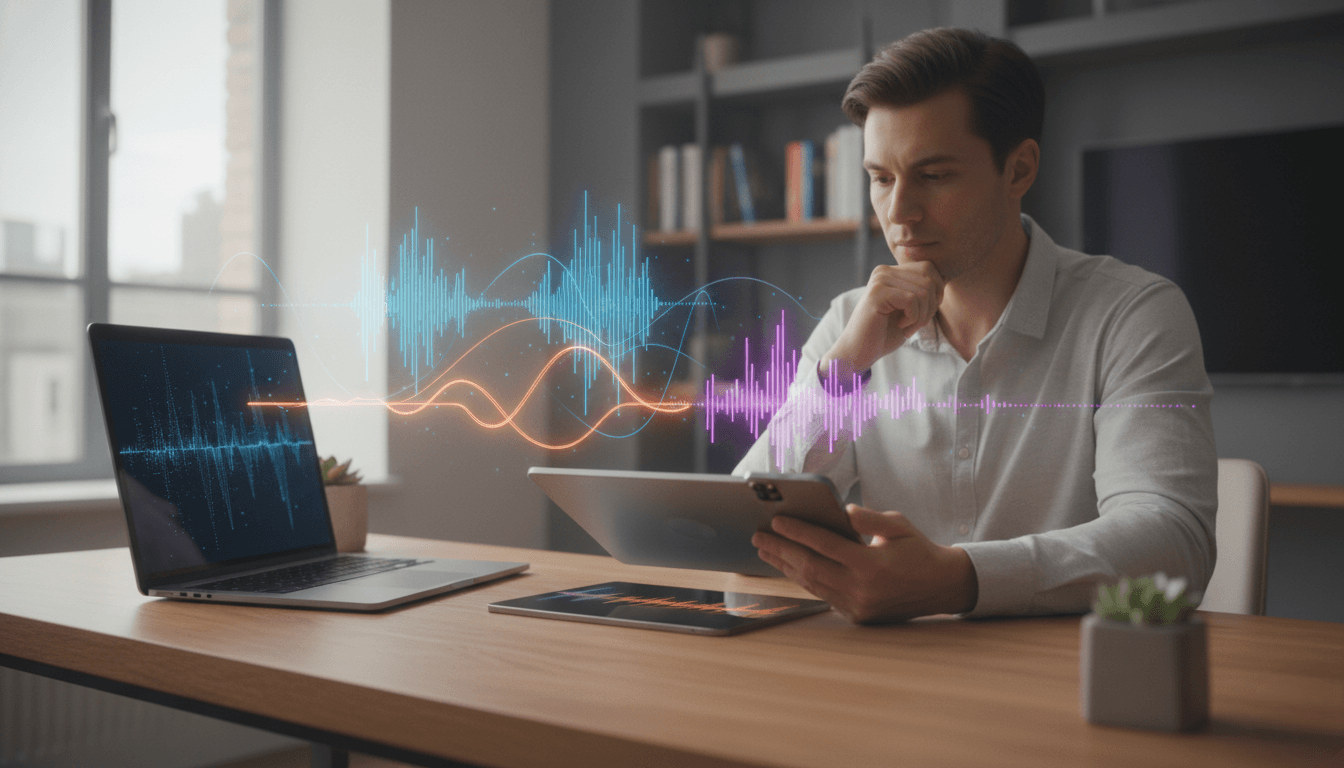
In my five years of navigating tech shifts, I’ve learned that “free” is a relative term. Some tools give you quality but limit your minutes; others give you unlimited time but sound like a 1990s GPS. Choosing the right Free podcast AI depends on your specific study goal.
The Professional Audio Breakdown
| Tool | Best For | Voice Quality | Free Tier Limits |
| NotebookLM | Conversational Deep Dives | Elite (Dual-host) | High usage limits (Google Account) |
| Speechify | Speed-reading/Literal Text | High (Celebrity voices) | Limited premium minutes; basic voices free |
| Wondercraft | High-end Production | Professional | Credits-based; limited monthly minutes |
-
The Real Kicker: If you want a free podcast AI generator that feels like a real radio show, NotebookLM is unbeatable. However, if you need the AI to read your notes word-for-word for technical memorization, Speechify is the superior tool. It solves the problem of the AI “skipping” details it thinks are unimportant.
5: The “Human Soul” of Learning Using Audio to Beat FOBO

The bottom line is that in 2026, simply “knowing” the facts isn’t enough. With the rise of FOBO (Fear of Becoming Obsolete), you need to develop a high level Professional Verdict. Why Auditory Learning Builds Authority
When you listen to a text to podcast AI free file, your brain isn’t just recording data; it’s mimicking the hosts’ confidence and tone.
-
The Hidden Mechanic: By hearing two “experts” (the AI hosts) debate your study notes, you subconsciously learn how to talk about the subject with authority. You aren’t just memorizing a definition; you’re learning how to explain it in a meeting or an exam.
-
The Solution: This moves you from “Passive Student” to “Active Strategist.” It’s an Actionable Global Solution: whether you are in Tokyo or Toronto, the ability to articulate complex ideas is the ultimate career moat.
6: Technical Debt & Scalability Managing Your Global Library
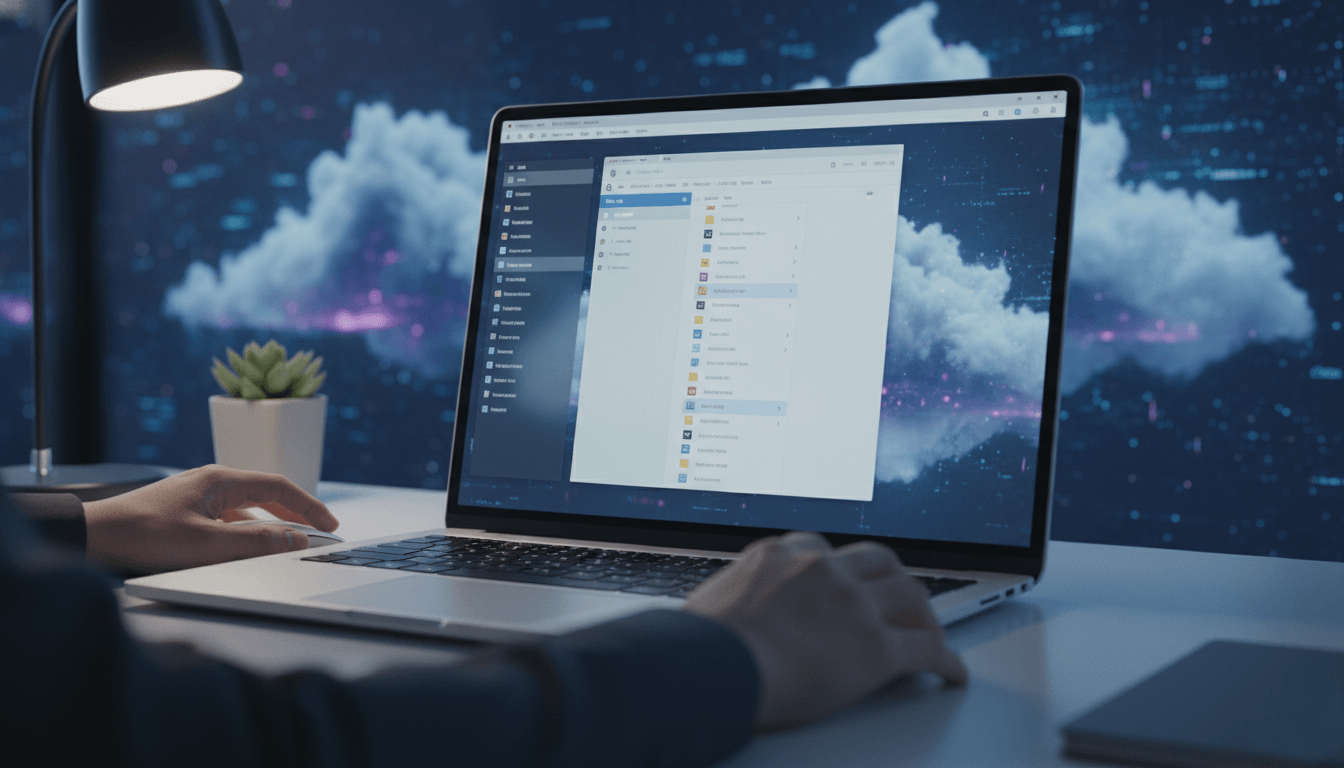
I’ve seen students lose hours of work because they didn’t think about Data Sovereignty. If you generate twenty podcasts and keep them scattered across three different “free” platforms, you are building Technical Debt.
Architecting Your Audio Library
What most people miss is that “Free” tools can disappear or change their terms overnight. To protect your work:
-
The “Offload” Rule: Always download your generated audio files as MP3s. Do not leave them in the cloud of a third-party app.
-
Metadata Management: Rename your files immediately (e.g.,
ECON_CH1_SupplyDemand_V1.mp3). This ensures that a year from now, your library is a searchable asset, not a cluttered mess. -
Scalability: Use a centralized folder in a reliable cloud service (Google Drive, Dropbox). This ensures your notes to podcast AI free library is accessible on your phone, tablet, and laptop regardless of where you are in the world.
7: Hidden Risks Security, Privacy, and the “Data Leak”

The bottom line is that nothing is truly free if you are paying with your data. I’ve seen projects compromised because a developer uploaded a “confidential” blueprint to a public AI tool to summarize it.
Spotting the Red Flags
-
Training Permissions: Check if the tool uses your uploads to train its public models. In 2026, NotebookLM generally protects Workspace and Education data from being used for training, but personal accounts may have different defaults.
-
Calendar/Email Scraping: Some “Free” tools ask for broad access to your Google Calendar or Gmail. Choosing to grant this access for a simple podcast is a high-security risk.
-
The Why: Choosing a tool with SOC2 Compliance or enterprise-grade privacy (like the Pro versions of these tools) is a $20/month decision that prevents a million dollar data breach.
8: The “People Also Ask” (FAQ)

Is there a free podcast AI for studying?
Yes. Google’s NotebookLM is currently the most powerful free tool for students. It creates a conversational “Deep Dive” between two AI hosts based entirely on your uploaded study notes, ensuring high accuracy and zero cost for the user.
What is the best text to podcast AI free tool?
For conversational learning, NotebookLM is the gold standard. For literal text to speech with natural voices, Speechify offers a robust free tier. Both tools allow students to convert dry text into high-quality audio files without a technical degree.
How do I turn my notes into a podcast for free?
-
Upload your PDFs or notes to NotebookLM.
-
Click on the “Audio Overview” or “Deep Dive” button.
-
The AI will generate a 10 minute conversation.
-
Download the MP3 to listen while you commute or exercise.
9: The Strategist’s Verdict Your 48 Hour Execution Checklist

We’ve built the stack and secured your library. To wrap this up, here is the Straight-Talk Checklist to move from “Textbook Burnout” to “Auditory Mastery” in the next 48 hours.
-
The Purge: Take one upcoming exam or project and extract the 10 most important pages.
-
The Generation: Upload them to NotebookLM and generate an Audio Overview.
-
The Mobile Sync: Download the MP3 and put it on your phone.
-
The Context Test: Listen to the file while doing a “low brain” activity like walking or doing dishes. See how much more you retain when the pressure of the screen is gone.
In 2026, the people who thrive are the ones who treat their time like a venture capitalist treats money. Stop wasting hours on passive reading. Use a Notes to podcast AI free method to turn your commute into a masterclass. Go reclaim your bandwidth.