Why I Use 4 Different AI Tools Instead of Just ChatGPT

Most people find ChatGPT, start using it, and never look further.
I was the same way for about two weeks.
Then I realized something that completely changed how I work: ChatGPT is great, but it is not great at everything. And once I started exploring other tools, I could not go back to using just one.
Here is exactly what I use, why I use it, and the honest truth about what each tool is actually good for.
How It All Started The “Goldmine” Moment
When I first found out ChatGPT was completely free, I genuinely could not believe it.
I had been a student with pocket money, no income, and a long history of assuming that anything powerful on the internet costs money. So when I opened ChatGPT for the first time and realized there was no paywall, no credit card, no hidden charges I felt like I had found something most people around me had no idea about.
It felt like a goldmine. That is the only word for it.
I remember thinking if people actually learn to use this properly, they can take their skills to a completely different level. Not just students. Anyone.
So I went deep. I started exploring everything ChatGPT could do. I asked it technical questions, personal questions, random questions. I used it for research, for writing, for understanding concepts I had never properly learned in class.
And for a while, it was enough.
The Moment I Realized One Tool Was Not Enough

It was not one big moment. It was a slow realization.
The more I used ChatGPT, the more I noticed small gaps. Sometimes I needed real-time information something that happened last week and ChatGPT just did not have it. Sometimes I needed to build something fast a full webpage, a template and while ChatGPT helped, it was not built specifically for that. Sometimes I needed to analyze a link or a document and the results felt shallow.
None of these were failures. ChatGPT was still doing its job. But I started wondering is there a tool that does this specific thing better?
That question led me to Perplexity. Then Grok. Then Blackbox. Then Gemini.
And slowly, without planning it, I built a system. Four tools, each one doing what it does best.
Tool 1 ChatGPT: For Analyzing and Understanding Things Deeply
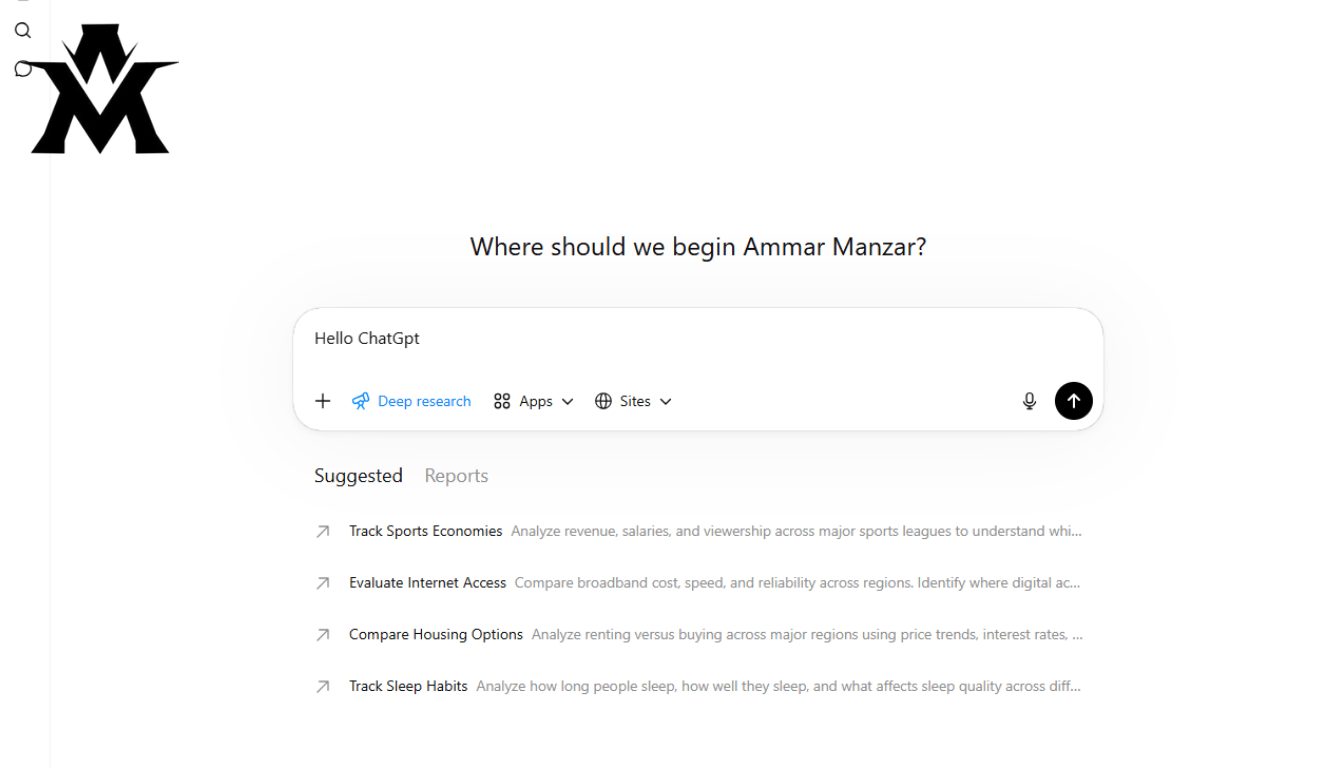
ChatGPT is still my main tool. I open it more than anything else.
Where it genuinely shines is analysis. If I give it a document, a topic, a chunk of information, and ask it to break it down it does that better than most tools I have tried. The explanations are clear, the structure is logical, and it does not just summarize it actually thinks through what the information means.
I also use it when I need to understand something complex. Not just get an answer, but actually understand it. ChatGPT has a patience that no textbook or Google search ever had. I can ask the same thing five different ways until I actually get it, and it never makes me feel stupid for asking.
One honest limitation: when I give it just a link and ask it to analyze the content, it sometimes misses the depth I am looking for. In those cases, I switch to something else. But for most things analysis, explanation, writing assistance ChatGPT is still my first stop.
Tool 2 Grok AI: For Anything Happening Right Now
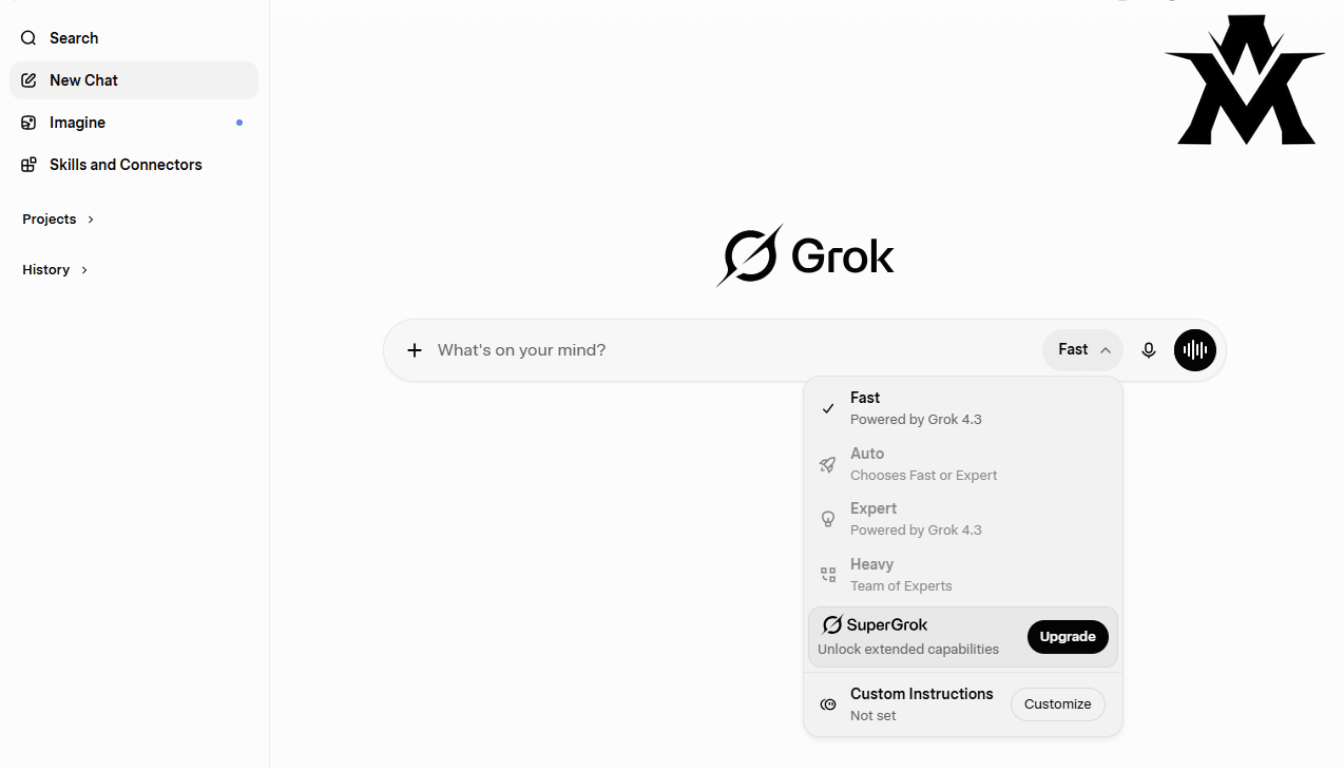
This one took me a while to appreciate.
Grok AI is built by xAI and it has something no other tool has real-time access to Twitter. Which means it knows what is happening right now, not six months ago.
I started using Grok seriously during my final college project. I needed a lot of research, and some of it required current information recent trends, recent discussions, recent developments. ChatGPT kept giving me older information. Grok gave me what was actually happening.
Now I use Grok whenever I need to know something current. Latest news in tech. What people are actually saying about a topic right now. New trends before they become mainstream.
Here is how I think about it if ChatGPT is like a very smart professor who knows everything up to a certain point, Grok is like someone who is constantly on Twitter and knows what happened this morning.
Both are useful. Just for different things.
I also keep multiple AI tools open at the same time sometimes three or four tabs, each one handling a different part of what I am working on. Grok is almost always one of them when I am doing any kind of research.
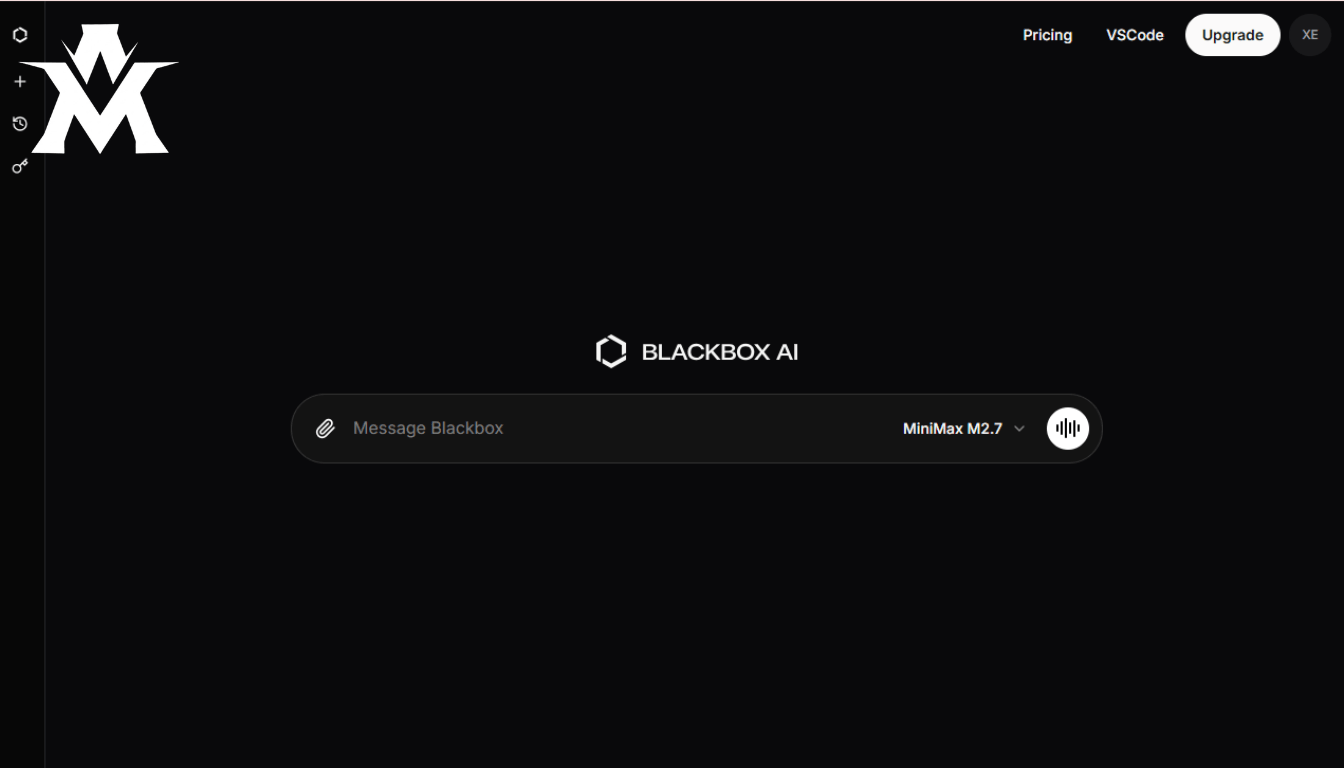
Tool 3 Blackbox AI: Built for Coding
Let me tell you something that still surprises me when I think about it.
I once gave Blackbox AI a detailed brief for a complete website. Full layout, specific sections, a particular design direction. I expected to get something rough a starting point I would have to clean up and fix.
What came back was better than what I had in my head.
The whole thing took maybe an hour. Possibly less.
Before AI, I knew people who would spend weeks on a single template designing it manually, tweaking HTML line by line, trying to impress a client. Now I can do the same thing in one session.
That is not an exaggeration. That is just what happens when you use the right tool for the right job.
Blackbox is purpose-built for coding. It understands code differently than ChatGPT does. When I have a coding task generating templates, building components, fixing specific errors Blackbox has been my go-to.
One honest update though: I have started pulling back from Blackbox a little. The AI space moves fast, and some newer tools have caught up in the coding area. ChatGPT’s latest models especially have become genuinely impressive for code. So I still use Blackbox, but I use it less than I used to. If it releases something new and outstanding, I will look again. But right now, it is not my first choice for coding the way it used to be.
Tool 4 Perplexity AI: For Research With Sources
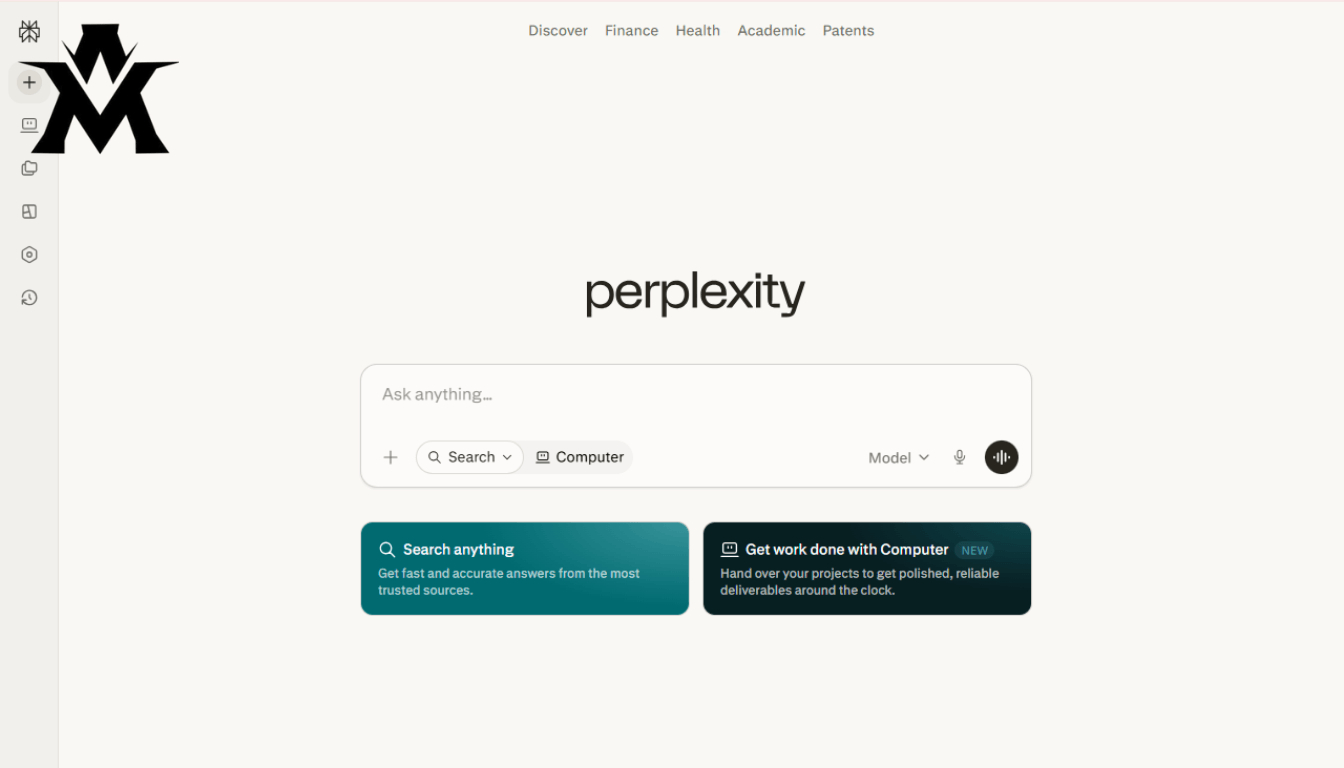
Perplexity is different from the others in one specific way it shows you where the information is coming from.
When I use ChatGPT for research, I get a well-written answer. But I sometimes wonder is this accurate? Where did this come from? With Perplexity, I do not have to wonder. It pulls information and shows the sources right there.
I have also used Perplexity to build small apps and tools. It handles that surprisingly well for something that looks like a research tool on the surface.
If I am going deep on a topic and I need to actually verify what I am reading Perplexity is where I go. It is also great for when I want a quick, sourced answer without going down a rabbit hole.
The Honest Reality of Using Multiple AI Tools
Here is what nobody tells you when they talk about AI: switching between tools is not complicated or time-consuming. It takes about five seconds to open a new tab.
The reason most people never explore beyond ChatGPT is not that other tools are hard to find it is that they never think to look. ChatGPT is the name everyone knows, so people assume it must do everything best.
It does not. And that is fine.
Each tool has its own expertise. Claude the AI I use for writing tasks handles long-form writing differently than ChatGPT. Grok handles real-time information differently than Perplexity. Blackbox handles code differently than all of them.
Using the right tool for the right task is a skill. It takes some time to figure out. But once you do, your output quality jumps in a way that using just one tool never could.
Do You Actually Need All of Them?
Honestly The My Answer is No. Not at the start.
If you are just beginning with AI, start with ChatGPT. Get comfortable with it. Learn how to give it specific instructions. Understand what it is good at and where it struggles.
Then, when you hit a wall when you need real-time info and ChatGPT cannot help, or when you need a sourced answer, or when you are coding and want something purpose-built that is when you try the next tool.
You do not need to learn four tools at once. You just need to know they exist, so that when one falls short, you know where to go next.
My Current Setup What I Use and When
When I sit down to work, here is roughly how my tools are divided:
ChatGPT is open almost always. Analysis, understanding concepts, writing assistance, general problem solving.
Grok comes out when I need current information news, trends, anything time-sensitive.
Perplexity handles research where I need verified, sourced information.
Blackbox was my coding tool, though I have been using ChatGPT’s newer models more for that recently.
Gemini fills in gaps I used it alongside ChatGPT during my final project for certain tasks where it performed better.
The whole system did not happen overnight. It built itself gradually, each tool earning its place by doing something the others could not.
One Last Thing
I used to pay graphic designers for small tasks. Simple things a quick design, a basic template. They would charge a lot because they had a skill I did not have.
AI changed that. Not because AI replaced designers but because it gave me access to output I could not produce myself, quickly and affordably.
That shift is happening across every field right now. And the people who will benefit most from it are not the ones who are the most technical or the most experienced.
They are the ones who take the time to actually learn the tools.
All four of them.